
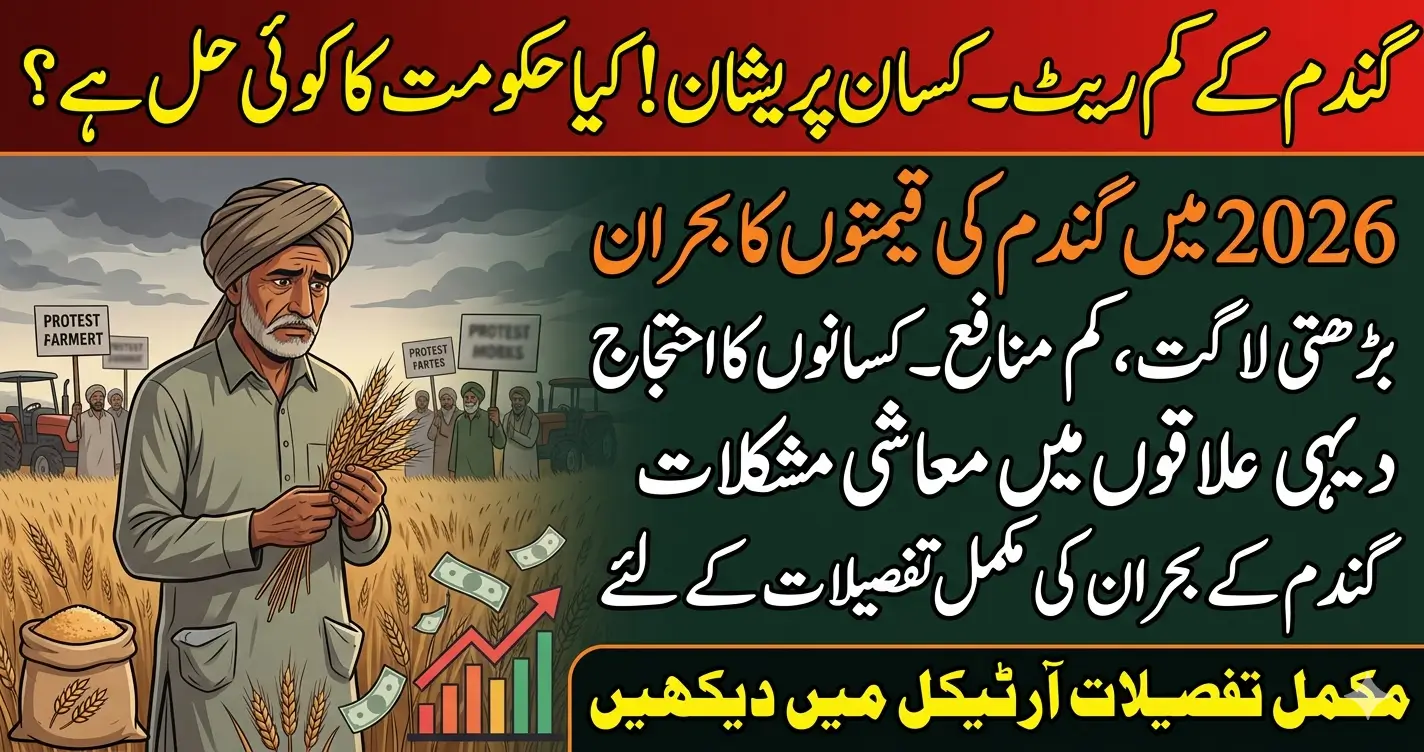
farmers protest low wheat prices across Pakistan are raising strong voices against falling wheat prices. Many growers say their hard work is not paying off. They face rising costs but receive low returns. This situation has created serious stress in rural areas.
The issue has grown into a major concern for the agriculture sector. Farmers want fair prices and clear policies. Their protests show deep economic struggles that cannot be ignored.
Comprehensive Overview of the Wheat Price Crisis
Wheat is a staple crop in Pakistan. It feeds millions and supports the economy. Farmers depend on wheat income for their families.
This year, many farmers report lower wheat prices in local markets. These prices do not cover production costs. As a result, farmers feel helpless and frustrated. https://today.seharnews.pk/
The government has set procurement targets for wheat. However, many farmers say the process lacks clarity. Some cannot sell their crop at official rates. Others face delays and limited access.
The mismatch between costs and earnings has triggered protests. Farmers are asking for better support and fair pricing systems.
Why Farmers Protest Low Wheat Prices
Several factors explain why farmers protest low wheat prices today. Each factor adds pressure on growers.
Rising Cost of Production
farmers protest low wheat prices spend more on seeds, fertilizers, and fuel. Electricity costs also increase every season. These expenses reduce profit margins.
When wheat prices fall, farmers face losses. Many struggle to repay loans and manage daily needs.
Weak Procurement System
The government buys wheat through a procurement system. Farmers depend on this system for stable income.
However, many farmers report issues with registration and quotas. Some cannot access procurement centers. Others wait long periods before selling their crop.
These problems create frustration and distrust.
Market Supply Pressure
A large wheat supply can reduce prices. When supply exceeds demand, market rates drop.
Farmers cannot control market trends. They depend on fair policies to protect their income.
Delayed Policy Decisions
Late announcements about support prices create uncertainty. Farmers need early decisions to plan their crops.
Unclear policies affect market confidence. This leads to panic selling and lower prices.
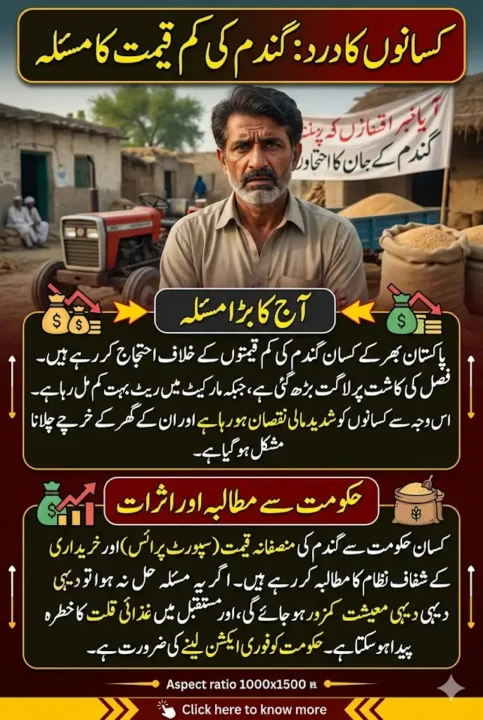
Impact on Farmers and Rural Life
The ongoing crisis affects more than just wheat growers. It touches entire rural communities.
Financial Stress on Families
farmers protest low wheat prices rely on wheat income for basic needs. Low prices reduce their ability to afford food and education.
Many families cut expenses to survive. Some farmers take loans at high interest rates.
Reduced Investment in Agriculture
When farmers lose money, they invest less in future crops. They buy fewer inputs and reduce land usage.
This can affect crop quality and yield in the next season.
Migration to Cities
Some farmers leave villages in search of better income. They move to cities for labor work.
This shift changes rural life and reduces agricultural workforce.
Read More: Punjab Assan Karobar Card Scheme 2026
Role of Government and Policy Makers
The government plays a key role in solving this crisis. Strong policies can support farmers and stabilize the market.
Procurement Targets and Challenges
Authorities set wheat procurement targets each year. These targets aim to ensure food security.
However, limited procurement capacity creates problems. Many farmers cannot sell their entire produce.
This leads to excess supply in open markets and lower prices.
Need for Transparent Systems
farmers protest low wheat prices need clear and fair systems. Digital registration and real time updates can improve access.
Transparency builds trust between farmers and authorities.
Support Price Mechanism
A support price protects farmers protest low wheat prices from losses. It ensures a minimum rate for wheat.
Timely announcement of support prices helps farmers plan better. It also stabilizes market expectations.
Voices from the Ground
Farmers across Punjab have expressed strong concerns. Many share similar stories of loss and struggle.
Some farmers say they sold wheat below cost. Others report standing in long lines at procurement centers.
These experiences show the gap between policy and reality.
Farmers demand urgent action. They want fair treatment and practical solutions.
Economic Effects Beyond Agriculture
The wheat crisis also impacts the broader economy. Agriculture supports many industries and jobs.
Food Security Risks
Wheat is a key food source. Low farmer income may reduce future production.
This can create shortages and increase food prices.
Pressure on Local Markets
When farmers earn less, they spend less. This affects local businesses in rural areas.
Shopkeepers and service providers also face reduced income.
Banking and Credit Challenges
Farmers often rely on loans for farming. Low income makes it hard to repay debts.
This increases pressure on banks and financial systems.
Possible Solutions to Support Farmers
The current situation needs practical and quick solutions. Several steps can improve conditions for farmers.
Improve Procurement Access
The government can expand procurement centers. More centers mean easier access for farmers.
Mobile procurement units can help remote areas.
Ensure Fair Pricing
Setting a realistic support price is essential. Prices should reflect production costs and inflation.
Regular market monitoring can prevent unfair practices.
Provide Subsidies and Relief
Subsidies on fertilizers and fuel can reduce costs. Financial relief packages can support struggling farmers protest low wheat prices.
These measures can ease immediate pressure.
Strengthen Storage Facilities
Better storage can help farmers avoid panic selling. They can store wheat and sell later at better prices.
This also improves supply management.
Promote Farmer Awareness
Training programs can guide farmers protest low wheat prices on market trends and modern techniques. Better knowledge leads to better decisions.
Future Outlook for Wheat Farmers
The future depends on timely action and strong policies. farmers protest low wheat prices need confidence in the system.
If issues continue, more protests may occur. This can disrupt the agriculture sector.
However, effective solutions can restore balance. Farmers can regain trust and improve production.
The government and farmers must work together. Cooperation can lead to long term stability.
Conclusion
The issue of farmers protest low wheat prices highlights serious economic struggles. Farmers face rising costs and falling income.Their protests are a call for fairness and support. The situation affects not only farmers but the entire economy.
Strong policies and quick action can solve this crisis. Fair pricing and better systems can protect farmers.Supporting farmers means supporting the nation. Their success ensures food security and economic growth.