
Fuel prices shape daily life in Pakistan. People feel every change at petrol pumps. Transport costs rise. Food prices follow. This article explains the latest situation in simple words. It covers current rates, government decisions, and future expectations.
Comprehensive Overview of Petrol Prices in Pakistan
Petrol prices in Pakistan change every fifteen days. The government reviews global oil prices. It also checks the rupee value and import costs. These factors decide local fuel prices.
Recently, prices showed strong movement. Petrol price Pakistan in 2026 reached very high levels. This happened due to global oil supply issues. Many countries faced the same pressure.
Pakistan depends on imported oil. This makes local prices sensitive. Even small global changes affect local rates quickly. https://today.seharnews.pk/
The government tries to control sudden shocks. Sometimes it absorbs extra cost. Sometimes it passes the increase to the public.
Today Petrol Rates in Pakistan
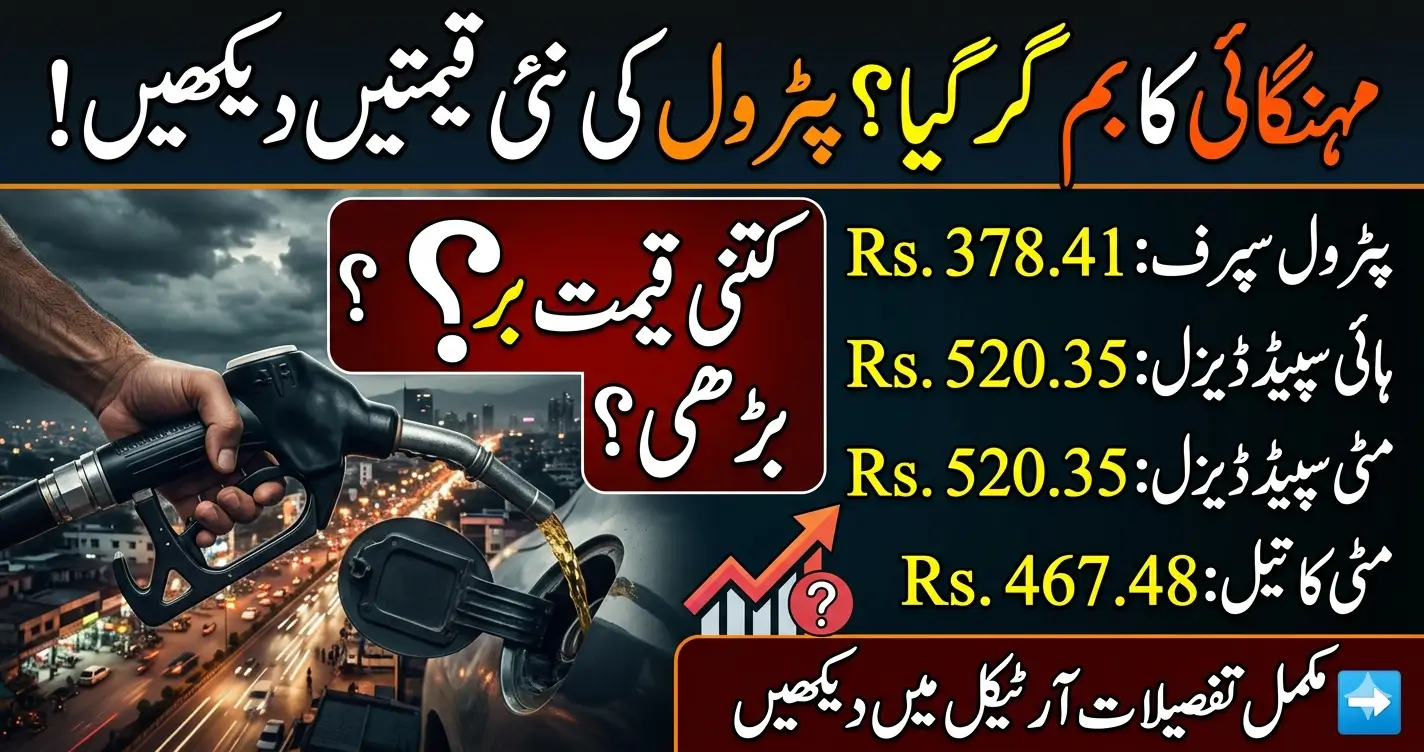
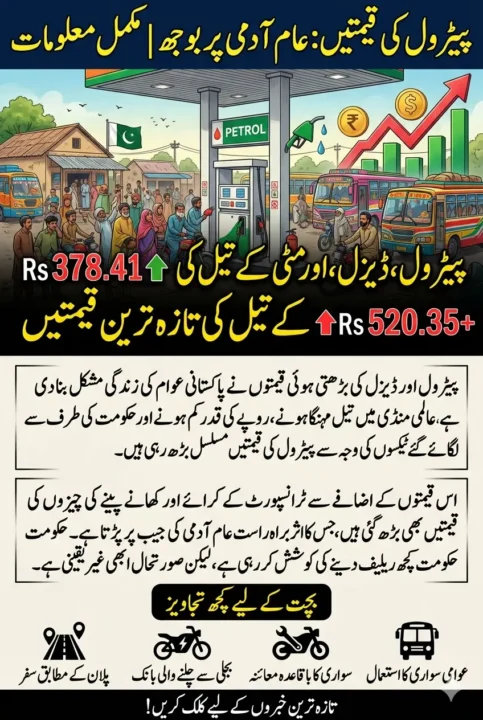
The latest official update shows major changes in fuel prices. According to recent data, petrol is around Rs 378.41 per litre. Diesel reached Rs 520.35 per litre.
These rates came after strong market pressure. Earlier, petrol stayed near Rs 321 per litre. Then prices increased sharply due to global factors.
Latest Fuel Price Table
| Fuel Type | Current Price PKR per Litre |
|---|---|
| Petrol Super | 378.41 |
| High Speed Diesel | 520.35 |
| Kerosene Oil | 467.48 |
| Light Diesel | 395.03 |
These prices can change anytime. Government reviews them twice each month.
Why Petrol Price Pakistan Increased Recently
Many people ask why Petrol Price Pakistan are rising fast. The answer is simple. Pakistan imports most of its oil.
Global Oil Market Pressure
Global oil prices increased due to regional tensions. Supply routes faced disruption. This pushed crude oil prices higher worldwide.
Recent reports show major price hikes in Pakistan. Fuel prices increased sharply in a short time.
Currency Value Impact
The Pakistani rupee also affectsPetrol Price Pakistan. When the rupee weakens, imports become expensive. This increases petrol price Pakistan in 2026.
Government Taxes and Levies
Taxes play a big role in final Petrol Price Pakistan. The government applies petroleum levy and sales tax. These charges increase total cost.
Recently, the government increased levy on high octane fuel. This step targets luxury users.
Government Update on Petrol Prices
The government continues to manage fuel prices carefully. Officials say supply remains stable across the country.
Key Government Actions
Adjusting fuel prices every 15 days
Providing targeted subsidies for low income groups
Increasing levy on luxury fuel users
Offering relief in public transport in some areas
In some cases, the government even reduced prices after public pressure. This helped control inflation for a short time.
Also Read: Farmers Protest Low Wheat Prices Highlights Economic Struggles in 2026
Impact of Petrol Price Pakistan on Daily Life
Petrol Price Pakistan affect almost everything. People feel the impact quickly.
Transport Costs Increase
Bus fares and ride costs increase. Delivery charges also rise. This makes daily travel expensive.
Food Prices Go Up
Transport cost affects food supply. Farmers and shopkeepers increase prices. This raises inflation.
Business Expenses Rise
Factories and shops use fuel. Higher fuel costs reduce profit margins. Small businesses suffer more.
Shift Toward Alternative Solutions
Due to high fuel prices, people are changing habits. Many are exploring new options.
Rise of Electric Bikes
Electric bikes are becoming popular. Sales increased sharply in recent months.
People choose electric vehicles to save money. Charging costs are much lower than petrol.
Public Transport Usage
More people now use buses and vans. This reduces personal fuel expenses.
Carpooling Trend
Many workers share rides. This helps reduce daily fuel cost.
Historical Trend of Petrol Price Pakistan
Petrol Price Pakistan have not stayed stable. They changed many times over recent months.
At the start of the year, petrol was near Rs 266 per litre. Later, it crossed Rs 321. Then it jumped above Rs 370.
These changes show strong volatility. Global events drive these fluctuations.
Challenges Faced by the Government
Managing fuel prices is not easy. The government faces many challenges.
Limited Foreign Reserves
Pakistan has limited dollar reserves. Oil imports require foreign currency. This creates pressure on the economy.
Rising Global Demand
Global demand for oil keeps rising. This pushes prices upward.
Inflation Pressure
Higher fuel prices increase inflation. The government must balance public relief and economic stability.
Expected Future of Petrol Prices
Experts believe fuel prices may stay unstable. Global conditions remain uncertain.
If oil prices rise again, local prices will increase. If global supply improves, prices may drop.
Government policies will also play a key role. Relief packages may reduce burden for common people.
Tips to Manage High Fuel Costs
People can take simple steps to reduce fuel expenses.
Drive Smart
Avoid sudden acceleration. Maintain steady speed. This saves fuel.
Regular Vehicle Maintenance
Keep engine tuned. Check tyre pressure. This improves fuel efficiency.
Use Public Transport
Use buses when possible. It costs less than private travel.
Plan Your Trips
Combine tasks in one trip. Avoid unnecessary travel.
Conclusion
Petrol price Pakistan in 2026 remains a major concern. Prices increased due to global and local factors. The government continues to manage the situation carefully.
People must adapt to these changes. Smart habits can reduce fuel costs. Alternative options like electric vehicles also offer relief.
Fuel prices will keep changing. Staying updated helps in better planning.