
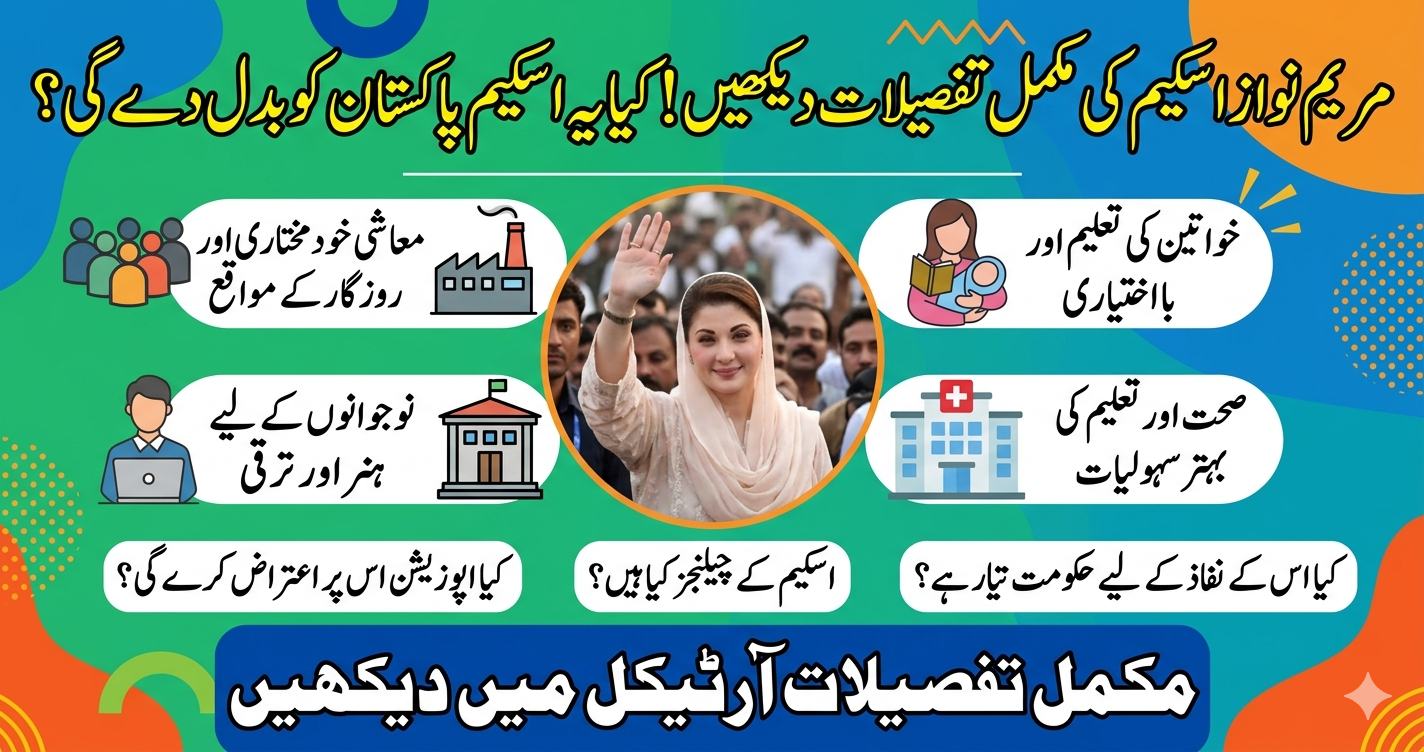
The Maryam Nawaz Scheme is a major political and economic initiative that has gained widespread attention across Pakistan. This scheme is designed to bring about a transformation in various sectors of the country, particularly focusing on social welfare, economic growth, and the improvement of living standards. With the potential to reshape the future of Pakistan, it has sparked conversations across the nation, from political analysts to everyday citizens. In this article, we will dive deep into the Maryam Nawaz Scheme, its objectives, implementation, and the impact it could have on the country’s future.
What is the Maryam Nawaz Scheme?
The Maryam Nawaz Scheme is an ambitious program introduced by Maryam Nawaz, the daughter of former Prime Minister Nawaz Sharif. The initiative is aimed at addressing several key challenges that Pakistan faces, including poverty, unemployment, healthcare, and education. Through this scheme, the government plans to provide opportunities for underprivileged communities and empower women, youth, and marginalized groups.
While the details of the scheme are still being finalized, the overarching goal is to create a sustainable economic model that benefits all citizens. By focusing on inclusive development, the Maryam Nawaz Scheme promises to uplift the lives of millions of Pakistanis. https://today.seharnews.pk/
Key Objectives of the Maryam Nawaz Scheme
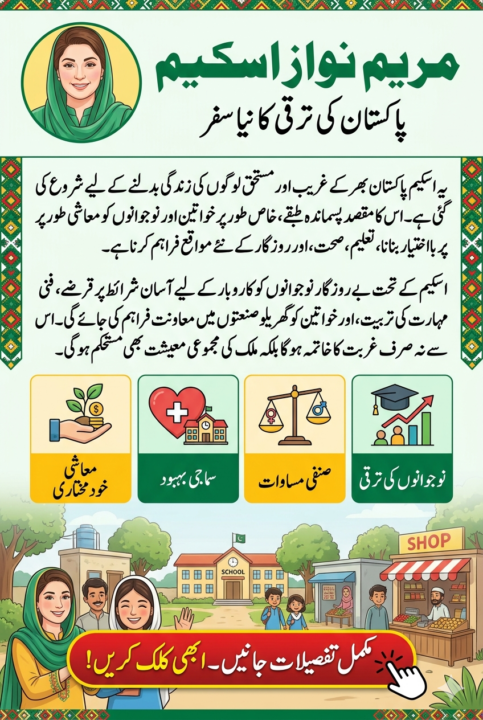
The primary objectives of the Maryam Nawaz Scheme can be divided into several key areas. These include:
1. Economic Empowerment
One of the key goals of the scheme is to boost economic activity by creating job opportunities for the youth, especially those from underdeveloped areas. The scheme seeks to promote entrepreneurship and innovation, providing financial support and training to those looking to start their own businesses. This will not only help reduce unemployment but also foster self-reliance among the population.
2. Social Welfare
The Maryam Nawaz Scheme also focuses on improving the quality of life for Pakistan’s most vulnerable populations. By expanding access to healthcare, education, and housing, the scheme aims to reduce inequalities and ensure that every citizen has access to basic services. The government’s goal is to create a more equitable society where everyone, regardless of their background or income, has the opportunity to thrive.
3. Gender Equality
A significant component of the scheme is its emphasis on empowering women. Maryam Nawaz has been a vocal advocate for women’s rights, and through this initiative, she aims to ensure that women have equal access to education, employment, and healthcare. By breaking down gender barriers, the scheme will help women play a larger role in the country’s economic and social development.
4. Youth Development
Youth development is another major focus of the Maryam Nawaz Scheme. Pakistan has a large and growing youth population, and the scheme is designed to provide them with the skills, resources, and opportunities they need to succeed. By investing in youth education and skill development programs, the scheme aims to ensure that young Pakistanis are prepared for the challenges of the future.
The Implementation Plan for the Maryam Nawaz Scheme
The successful implementation of the Maryam Nawaz Scheme depends on a well-organized plan and adequate funding. The government has outlined several key steps in the process, including:
1. Partnership with Local Governments
The scheme will be implemented in collaboration with local governments across the country. By working closely with provincial and regional authorities, the government hopes to ensure that the scheme reaches every corner of Pakistan, including rural areas where access to resources is often limited.
2. Public-Private Partnerships
To ensure the long-term success of the scheme, public-private partnerships (PPPs) will be encouraged. The private sector will play a crucial role in providing financial support, training, and resources to help implement the various components of the program.
3. Monitoring and Accountability
The government has emphasized the need for transparency and accountability throughout the implementation process. Regular monitoring will be conducted to ensure that funds are being utilized effectively and that the scheme is achieving its intended goals. This will also help address any issues or challenges that arise during the course of the program.
Also Read: Gold Price in Pakistan Today Latest Market Insights 2026
Potential Impact of the Maryam Nawaz Scheme
The Maryam Nawaz Scheme has the potential to bring about significant positive changes in Pakistan. Here are some of the key impacts it could have:
1. Reduction in Poverty
By creating economic opportunities and improving access to basic services, the Maryam Nawaz Scheme could significantly reduce poverty levels in Pakistan. The program’s focus on social welfare and economic empowerment will help ensure that more people have the resources they need to meet their basic needs.
2. Improved Healthcare and Education
The scheme’s emphasis on healthcare and education will contribute to improving the overall quality of life for millions of Pakistanis. Access to better healthcare services will lead to improved health outcomes, while better education opportunities will help individuals develop the skills needed to succeed in the modern workforce.
3. Increased Employment Opportunities
With a focus on youth employment, the Maryam Nawaz Scheme will help create thousands of new jobs across various sectors. This will not only reduce unemployment but also help stimulate economic growth by increasing consumer spending and business activity.
4. Empowered Women
Through its focus on gender equality, the Maryam Nawaz Scheme will empower women by providing them with the tools and resources they need to succeed. By breaking down traditional barriers, the scheme will enable women to participate more fully in the workforce and contribute to the country’s economic growth.
5. Strengthened National Unity
By focusing on inclusive development, the scheme has the potential to strengthen national unity by ensuring that all regions and communities are included in the country’s growth and progress. This will help foster a sense of shared purpose and collective responsibility among Pakistan’s diverse population.
Challenges and Criticisms
Like any ambitious program, the Maryam Nawaz Scheme faces several challenges and criticisms. Some of the most common concerns include:
1. Sustainability
There are concerns about the long-term sustainability of the scheme, especially given the economic challenges Pakistan is facing. Critics argue that the scheme may require significant financial resources, which could strain the government’s budget in the future.
2. Political Opposition
As with any political initiative, the Maryam Nawaz Scheme has faced opposition from rival political parties. Some argue that the scheme is a political move designed to garner support for Maryam Nawaz and the ruling party. While the scheme’s goals are generally well-received, its implementation may face resistance from political opponents.
3. Implementation Challenges
Ensuring that the scheme is implemented effectively in every region of Pakistan, particularly in rural and remote areas, is a significant challenge. Without proper infrastructure and resources, the scheme may not reach those who need it most.
Conclusion
The Maryam Nawaz Scheme represents a bold step toward addressing some of the most pressing issues facing Pakistan today. By focusing on economic empowerment, social welfare, gender equality, and youth development, the scheme has the potential to create a brighter future for millions of Pakistanis. However, its success will depend on effective implementation, sustainable funding, and political cooperation. If executed properly, the Maryam Nawaz Scheme could indeed mark the beginning of a new era for Pakistan.