

The cost of electricity continues to be a significant concern for consumers globally, and governments have consistently taken measures to provide relief to households and businesses. As electricity prices fluctuate and inflation impacts consumers’ finances, the 2026 updates to electricity bill relief programs have become an essential topic for many. This article explores the most recent changes in the electricity bill relief schemes, helping you understand how they will affect your electricity expenses and overall energy management.
Overview of the Electricity Bill Relief Update
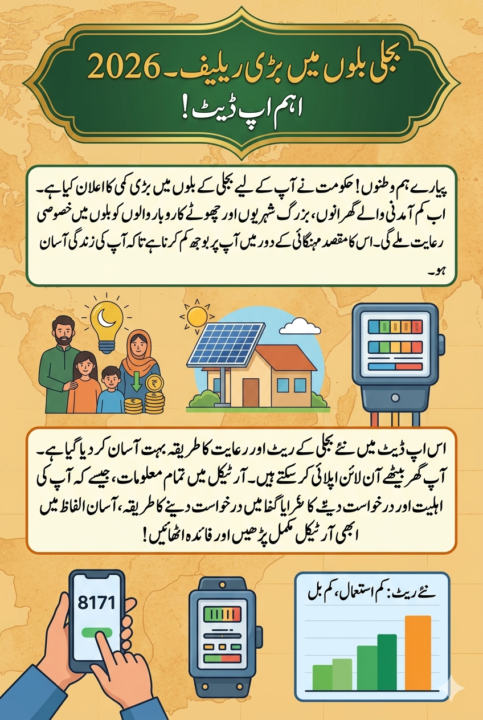
The Electricity Bill Relief Update 2026 introduces several key changes designed to ease the financial burden on consumers. Whether you’re a homeowner, renter, or small business owner, these updates aim to provide much-needed relief through various subsidies, discounts, and improved programs. The updates focus on making energy bills more affordable, particularly for those in lower-income brackets, while also promoting energy conservation.
Key Changes in the Electricity Bill Relief Program
1. Increased Subsidies for Low-Income Households
One of the most notable changes in the Electricity Bill Relief Update 2026 is the increase in subsidies for low-income households. This change directly targets consumers who struggle to pay their monthly electricity bills. The government has raised the amount allocated to these subsidies, making it easier for vulnerable groups to afford their energy needs. This update is particularly important for families and individuals who have been severely impacted by the rising cost of living.
2. Enhanced Discount Programs for Senior Citizens
For senior citizens, the government has introduced an expanded discount program. These consumers will now benefit from a larger percentage of discount on their monthly electricity bills. The initiative aims to provide seniors with financial relief as they often live on fixed incomes and have limited resources to cover rising living costs.
3. Introduction of a Tiered Pricing System
The Electricity Bill Relief Update 2026 also includes the introduction of a tiered pricing system for electricity consumption. Under this new system, households will be charged based on their usage level, with lower rates for essential energy consumption and higher rates for excessive usage. This change encourages consumers to use electricity more efficiently while ensuring that essential consumption remains affordable.
4. Expanded Payment Plans for Businesses
Small businesses also stand to benefit from the updates. The government has introduced expanded payment plans to help businesses manage their electricity costs. These new payment options allow small businesses to spread their bills over a longer period, providing them with greater flexibility and reducing financial strain. The move is part of a broader effort to support small business recovery, especially after the economic challenges caused by the pandemic.
5. Support for Renewable Energy Adoption
In a bid to promote sustainability, the Electricity Bill Relief Update 2026 includes incentives for households and businesses that switch to renewable energy sources. People who install solar panels or other renewable energy systems will receive subsidies that help offset installation costs. The government hopes to encourage more consumers to adopt renewable energy solutions, which can lower electricity bills in the long term.
6. Simplified Billing System
The billing system has also undergone a significant overhaul. The new, simplified billing process is designed to make it easier for consumers to understand their electricity charges. With clearer breakdowns of usage and costs, consumers can now track their energy consumption more easily and make adjustments to reduce their electricity bills.
How These Changes Benefit Consumers
Financial Relief for Households
The most significant benefit of the updates is the financial relief it offers to households. By increasing subsidies for low-income groups, seniors, and providing incentives for energy-efficient practices, the Electricity Bill Relief Update 2026 ensures that consumers won’t have to face the full brunt of rising energy prices. These efforts are aimed at reducing energy poverty and promoting energy equity.
Read More: How To Check Himmat Card Balance Online By CNIC
Encouraging Energy Efficiency
The tiered pricing system and incentives for renewable energy adoption aim to foster energy efficiency. Households and businesses will be more conscious of their electricity usage, which in turn, could reduce overall consumption. This not only benefits the environment but also helps consumers lower their bills by using energy more wisely.
Supporting Small Businesses
Small businesses often struggle with rising operational costs, and high electricity bills can be a significant burden. The expanded payment plans and discounts offered under this update will provide relief to these businesses, allowing them to remain competitive without compromising on their energy needs.
Promoting Renewable Energy
Encouraging the use of renewable energy sources not only helps reduce electricity bills but also supports global sustainability goals. By providing incentives for solar panel installations and other green energy solutions, the government hopes to decrease dependence on non-renewable energy sources, making the grid more resilient in the long term.
Value for the Economy and Environment
The Electricity Bill Relief Update 2026 brings significant economic and environmental benefits. With a focus on sustainable energy practices, the government is setting the stage for a future where renewable energy plays a larger role in daily life. This will help reduce the overall carbon footprint, promote environmental conservation, and create jobs in the green energy sector.
Additionally, by easing the financial pressure on households and small businesses, the updates encourage more spending in other areas of the economy, contributing to economic growth.
How to Apply for Electricity Bill Relief
Eligibility Criteria
To take advantage of the Electricity Bill Relief Update 2026, you must meet specific eligibility requirements. Generally, households with lower incomes or those that consume below-average amounts of electricity qualify for the subsidies. Senior citizens, people with disabilities, and small business owners can also apply for various forms of financial assistance.
Application Process
The application process has been made simpler to ensure that more people can access the benefits. You can apply online through the official government portal, where you will need to submit basic documentation, including proof of income and identification. For businesses, you may need to provide additional information, such as proof of business registration and energy consumption records.
What the Future Holds
Looking forward, the Electricity Bill Relief Update 2026 is only the beginning of a broader effort to make energy more affordable and sustainable. As energy prices continue to fluctuate, governments are likely to introduce additional measures to protect consumers and promote energy conservation. Renewable energy will play an increasingly important role, and future updates may further expand incentives for green energy solutions.
Conclusion
The Electricity Bill Relief Update 2026 brings essential changes that aim to reduce financial burdens on consumers while promoting energy efficiency and sustainability. With increased subsidies, tiered pricing, and incentives for renewable energy adoption, these changes not only benefit households but also provide much-needed support to small businesses. By making electricity more affordable and encouraging greener energy solutions, the government is paving the way for a more sustainable and economically stable future.
This update marks an essential step in ensuring that electricity remains an affordable and sustainable resource for all, regardless of economic background or energy usage habits.
Table: Key Changes in Electricity Bill Relief Update 2026
| Change | Description |
|---|---|
| Subsidies for Low-Income Households | Increased financial assistance for low-income consumers to reduce energy costs. |
| Discounts for Senior Citizens | Expanded discount programs to support senior citizens with fixed incomes. |
| Tiered Pricing System | A new pricing structure based on energy consumption to encourage efficiency. |
| Payment Plans for Small Businesses | Flexible payment options to help small businesses manage energy costs. |
| Support for Renewable Energy | Incentives for consumers adopting solar power and other green energy solutions. |
| Simplified Billing System | Easier-to-understand bills with clear breakdowns of charges and usage. |