
Comprehensive Overview
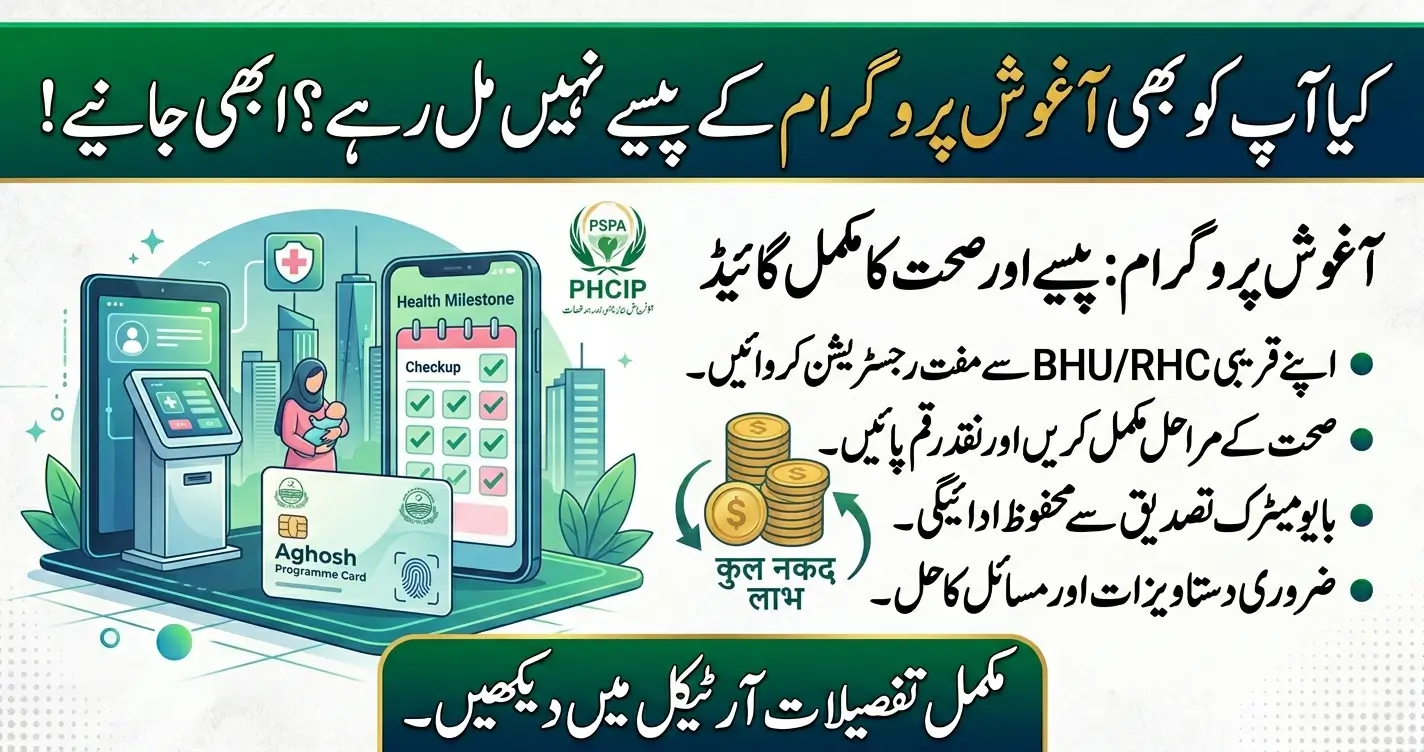
Aghosh Programme Card supports pregnant women, lactating mothers, and young children in selected Punjab districts. The program links financial help with health care. This means support is connected with checkups, safe delivery, child care, and vaccination.
Many poor families delay health visits because of cost. Aghosh Programme helps reduce that pressure. It encourages mothers to visit public health facilities on time.
The primary keyword for this article is Aghosh Programme Card. Related entities include PSPA, PHCIP, pregnant women, BHU, RHC, and biometric verification.
What Is Aghosh Programme Card
Aghosh Programme Card is linked with social protection support for mothers and children. It helps eligible women receive payments after completing health related steps. These steps can include registration, medical checkups, delivery support, child screening, and vaccination.
The program focuses on the first days of a child life. This period is very important for growth. Proper care can reduce health risks for mother and baby.
Who Is Eligible
Pregnant women can apply if they belong to selected districts. Lactating mothers may also qualify. Mothers of children up to two years may also be included. A valid CNIC is important.
The applicant should visit a government health facility. The health staff can guide about registration. Eligibility can depend on location, records, and program rules.
How To Register
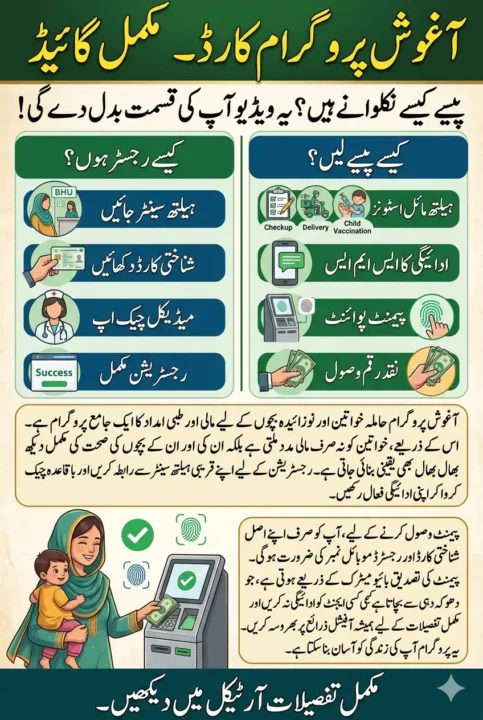
Visit the nearest Basic Health Unit or Rural Health Centre. Meet the Lady Health Visitor or health staff. Share your CNIC and required details. The staff may enter your data into the health system.
After registration, follow the health visit schedule. Payments are usually linked with verified health steps. Missing visits can delay payment.
How Payment Works
The payment is not always given at one time. It can be paid in stages. Each stage is linked with a health milestone. This makes sure the mother receives care during pregnancy and after birth.
The payment system may use digital account, card, or partner payment channel. Beneficiaries should wait for official SMS or health facility guidance.
Read More: Apna Khet Apna Rozgar 2026: New Registration, Eligibility & Benefits Guide
Cash Withdrawal Method
After payment approval, visit the authorized payment point. Take your original CNIC. Complete biometric verification. Receive cash after successful verification.
Count the money before leaving. Ask for receipt if available. Do not give any extra fee. If someone demands deduction, report it to the relevant authority.
Why Biometric Verification Matters
Biometric verification protects beneficiaries. It helps ensure the right woman receives the payment. It also reduces fraud and middlemen.
Sometimes biometric can fail. This may happen due to finger marks or system issue. In that case, visit the support desk. Do not hand over CNIC to strangers.
Documents Needed
Keep original CNIC with you. Keep your registered mobile number active. If child related payment is involved, keep birth record or B Form if required. Medical records from health facility can also help.
Clear records make verification easier. Always keep copies safe at home.
Common Problems
Some women do not receive SMS. Some face biometric failure. Some have wrong CNIC records. Some visit the wrong payment center. These issues can delay cash withdrawal.
The best solution is to confirm status through the health facility. You can also contact the official helpline if available. Avoid social media rumors.
Why The Program Is Valuable
Aghosh Programme Card gives more than cash. It encourages safe pregnancy care. It helps mothers complete checkups. It supports child vaccination. It also builds trust in public health centers.
For poor families, small support can make a big difference. It can help with transport, food, medicine, and child needs.
Final Words
Aghosh Programme Card is useful for mothers who need support during a sensitive time. Registration should be done at official health facilities. Cash should be withdrawn only after verified payment.
Beneficiaries should keep CNIC safe. They should never pay agents. They should follow health visits to keep payment active.