
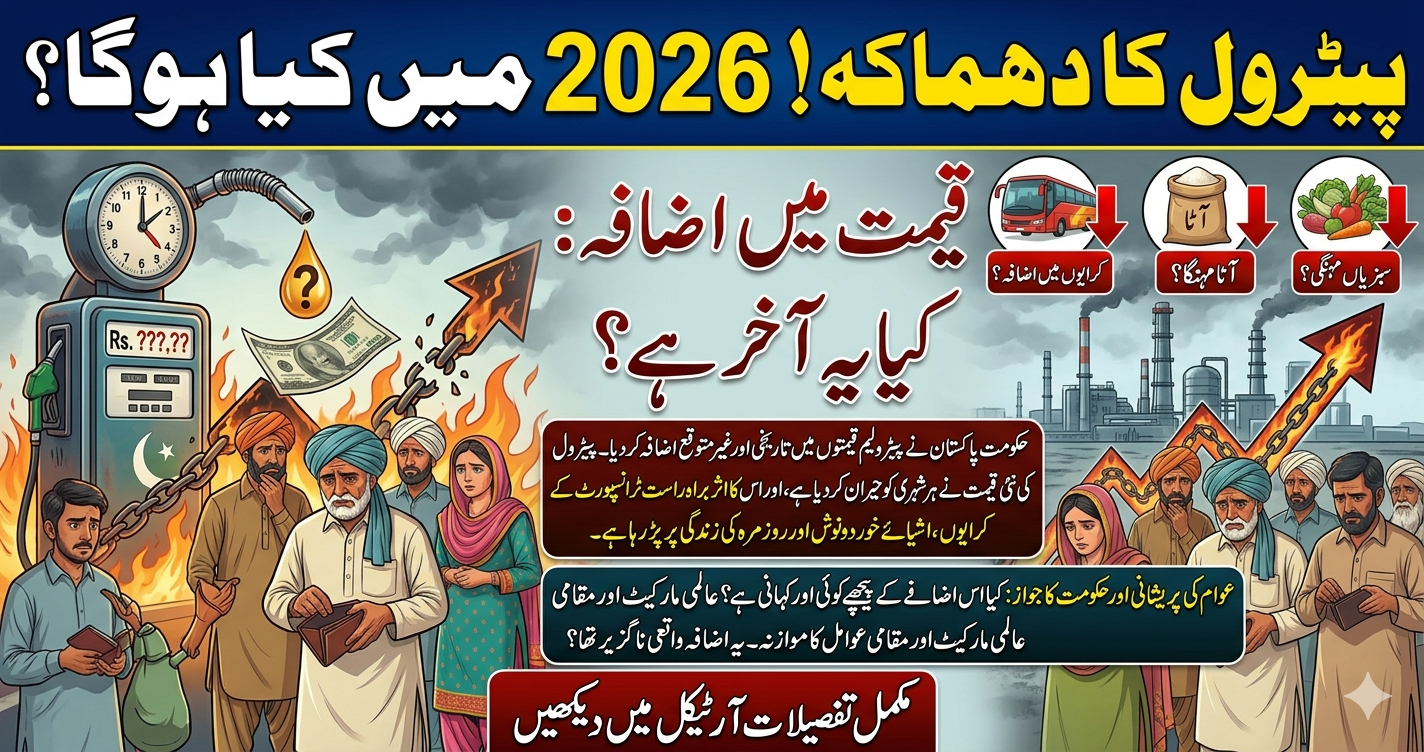
The recent fuel hike has shocked millions across Pakistan. Petrol Price jumped sharply and created serious concern among citizens. This update explains everything in simple words. You will understand the latest rates, reasons, and public reaction clearly.
Overview of Petrol Price Increase
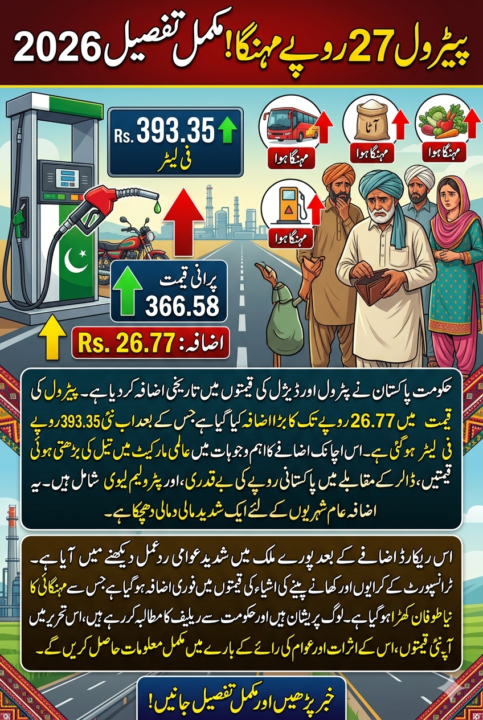
The government announced a major rise in fuel prices. Petrol increased by almost Rs26.77 per liter. Many reports describe it as nearly a 27 rupees increase. This sudden jump has affected daily life quickly. After the hike, petrol reached around Rs393.35 per liter. This change came into effect immediately at midnight. People had no time to prepare. Fuel prices often change due to global oil markets. This time, the increase was higher than expected.
Latest Petrol and Diesel Prices
Below is a simple table showing the updated fuel prices after the increase.
| Fuel Type | Old Price Approx | Increase | New Price |
|---|---|---|---|
| Petrol | Rs366.58 | Rs26.77 | Rs393.35 |
| Diesel | Rs353 to Rs360 range | Rs26+ | Around Rs380 |
Data shows Petrol Price crossed Rs390 after the hike. Earlier, prices were stable near Rs366 per liter. This sharp rise created immediate pressure on transport and goods prices.
Why Petrol Prices Increased
Fuel Petrol Price depend on many global and local factors. The current increase has several key reasons.
Rising Global Oil Prices
International oil rates increased due to global tensions. Supply disruptions pushed prices upward. Pakistan imports most of its fuel. So global changes affect local prices directly.
Currency Exchange Pressure
The Pakistani rupee has weakened against the dollar. This makes fuel imports more expensive. Even a small exchange change raises local fuel costs.
Government Taxes and Levy
Petroleum levy plays a big role in pricing. In some cases, it reached high levels per liter. Taxes help government revenue but increase burden on citizens.
Transportation and Supply Costs
Freight costs increased with diesel usage. Diesel is widely used in trucks and goods transport. Higher diesel prices push overall inflation.
Impact on Daily Life
The petrol price increase 27 per liter full details 2026 shows a strong impact on daily routines.
Transport Costs Increased
Public transport fares increased immediately. Rickshaw and taxi drivers raised prices. People now spend more on daily travel.
Food Prices Going Up
Transport cost affects food delivery. Vegetables and groceries become expensive. Small businesses face higher expenses.
Electricity and Services
Fuel is used in power generation. Higher fuel cost increases electricity burden. Service charges also rise due to higher operational costs.
Read More: Punjab Govt Raises Domicile Certificate Fee 2026 New Charges Public Reaction and Latest Update
Public Reaction Across Pakistan
The reaction from the public has been intense and emotional.
Strong Public Anger
People expressed frustration over rising costs. Many believe the increase is too sudden. Citizens worry about survival and daily expenses.
Social Media Trends
Social media platforms filled with criticism. Users demanded relief and better planning. Fuel prices became a top trending topic.
Business Community Concerns
Business owners warned about inflation. They fear reduced sales and higher costs. Many small shops struggle to manage expenses.
Government Response
The government explained the reasons behind the increase. Officials said global oil prices forced the decision. They claimed the hike was unavoidable. In previous situations, the government also provided relief measures. These included subsidies and transport support. However, people still demand long term solutions.
Inflation and Economic Pressure
Petrol Price directly affect inflation. This increase adds more pressure on households.
Rising Inflation
Higher fuel costs increase prices of goods. Inflation spreads across all sectors. Low income families face the biggest challenge.
Effect on Salaries
Most salaries remain unchanged. Expenses increase but income stays the same. This gap creates financial stress.
Impact on Economy
Businesses face higher production costs. This reduces growth and investment. Economic stability becomes harder to maintain.
Comparison with Previous Prices
Fuel prices have changed many times recently. Earlier, petrol remained around Rs366 per liter. After the latest increase, it moved close to Rs393. In past weeks, prices also saw fluctuations due to global events. This shows how unstable fuel pricing has become.
What Experts Say
Experts believe fuel prices may remain unstable. They highlight global oil supply issues. Conflicts and production cuts affect prices. Economists suggest reducing dependency on imports. Alternative energy sources may help in the long term.
What People Can Do
People can take small steps to manage rising costs. Use public transport when possible. Share rides with others. Reduce unnecessary travel. Maintain vehicles properly. Save fuel by driving efficiently. These steps may reduce daily expenses slightly.
Future Expectations
Petrol Price may change again soon. Global oil trends will decide future rates. Government policies will also play a role. Some experts expect further adjustments in coming weeks. People should stay updated with official announcements.
Final Thoughts
The petrol price increase 27 per liter full details 2026 reflects a serious economic challenge. This increase affects every citizen directly. Transport, food, and daily expenses all rise. Public reaction shows growing concern. People demand stability and relief. The situation needs careful planning and strong policies. Understanding fuel prices helps people prepare better for future changes. Staying informed is the best way to handle rising costs.